
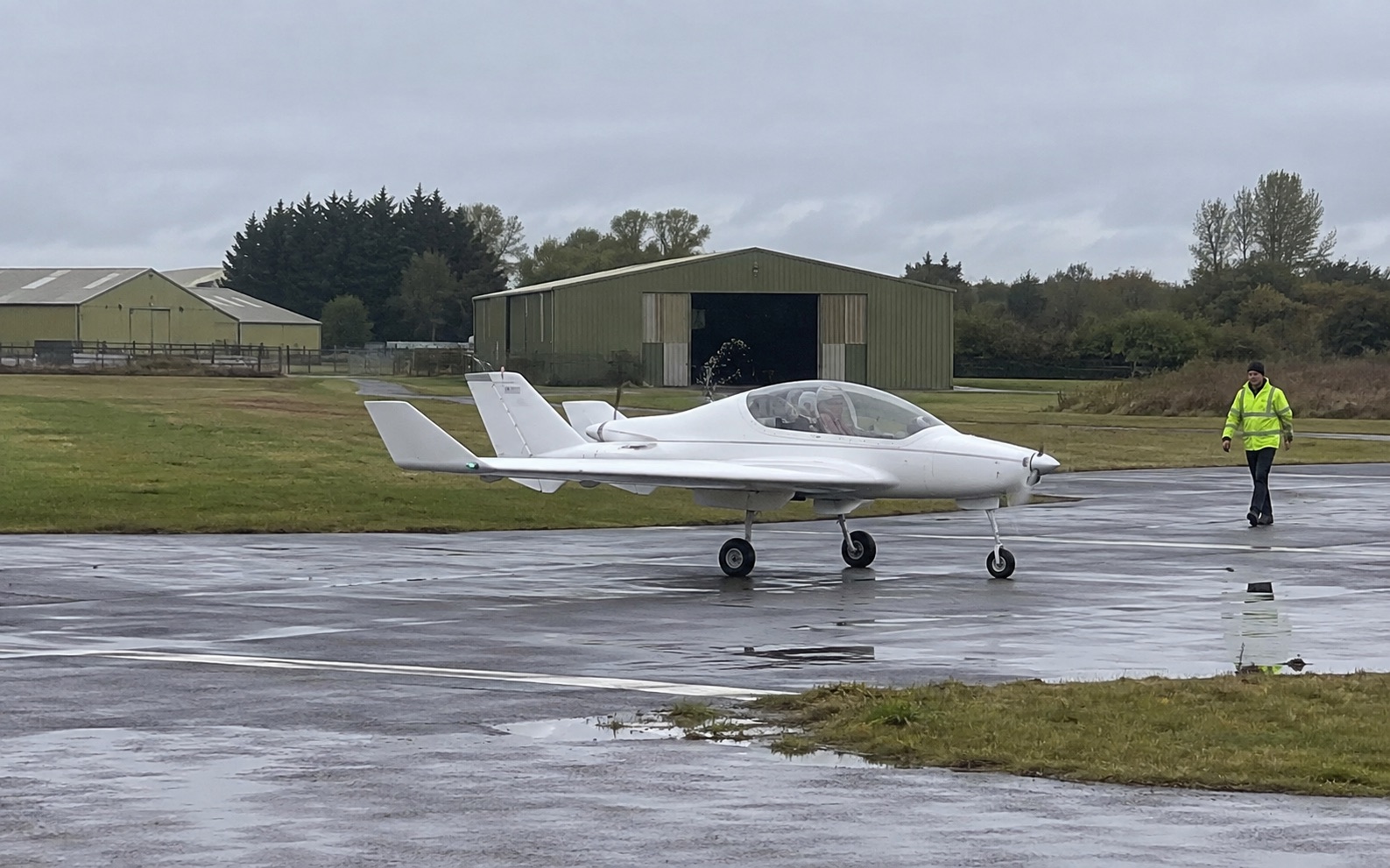
An aircraft asks for changing thrust, efficiency and thermal performance from take-off through landing. The propulsion architecture has to remain useful across that entire envelope.
Begin with the aircraft
Propeller speed, installation space, cooling airflow and voltage limits all shape the usable propulsion system. A powerful machine can still be the wrong machine if it fights the airframe.
Physical design should follow the aircraft requirement.
Control the transitions
Hybrid systems must move smoothly between stored energy, generated power and changing thrust demand. Those transitions should feel invisible to the pilot and predictable to the aircraft.
Control quality is part of propulsion quality.
Plan for off-nominal conditions
Component limits, degraded modes and unexpected thermal conditions are part of real flight. The system must preserve control and communicate its remaining capability clearly.
Resilience is part of the architecture.
Design for the complete flight envelope, then optimise every layer around it.